Thinking about buying land or a camp lot in Rome, Maine? It is easy to fall for the trees, the water, or the idea of a quiet place near the Belgrade Lakes. But in Rome, a beautiful parcel is only part of the story. You also need to know whether the lot fits your plans for access, septic, building, and year-round use. This is where careful due diligence pays off. Let’s dive in.
Why Rome lots need closer review
Rome is a rural, lake-centered town where land decisions often come down to the specifics of one parcel, not just the size shown on a listing. The town’s planning documents note that waterfront areas see the most activity, and they also make clear that access, slope, septic feasibility, and shoreland status often matter more than raw acreage.
That is especially important in a place shaped by Great Pond, Long Pond, North Pond, streams, wetlands, and groundwater. Rome is also focused on water quality issues, including septic systems, camp road runoff, and community education. If you are buying land or a camp lot here, your plans need to work with that reality.
Start with your intended use
Before you focus on price or pond views, ask a basic question: What do you want the property to do for you? Your answer should shape every step that follows.
If you want a simple seasonal camp, your checklist may be different than if you want to build a year-round home. If you want paddling, swimming, fishing access, or a quiet base for outdoor recreation, you should also think about how much of that depends on the lot itself versus nearby public access and town amenities.
Rome has long had a strong seasonal pattern, with many camps and summer visitors. That makes it a great fit for buyers who want a classic Maine camp setting, but it also means you should be realistic about what it takes to convert a more seasonal property into something suited for full-time use.
Check lot standards first
One of the first things to confirm is whether the lot is legally buildable under Rome’s local rules. A parcel that looks promising online may have important limits tied to frontage, shape, slope, or shoreland location.
Rome’s minimum lot ordinance requires at least:
- 1 acre of land
- 200 feet of road frontage on a public or private way
- 200 feet of shore frontage, if the parcel includes shore frontage
- A maximum depth-to-width ratio of 3:1
For rear lots, the ordinance requires a permanent easement or fee-simple right-of-way that is at least 30 feet wide and recorded in the Kennebec County Registry of Deeds.
If a lot does not meet today’s standards, it may still involve questions about older deed status or nonconforming lot rules. That is one reason buyers should verify buildability early, before making assumptions based on acreage alone.
Access matters more than many buyers expect
In Rome, road access is not just about getting to the lot. It can affect permitting, cost, maintenance, winter use, and even water quality concerns.
If a new private road or driveway enters a town-maintained road, it must be approved by the Town Road Commissioner. If access is onto Route 27 or Route 225, MaineDOT requirements may apply, including a state access permit. Rome’s planning documents note that Route 27 has especially tight access rules.
You will also want to know whether the road is public, private, deeded, shared, or informal. If it is private, ask practical questions like:
- Who maintains the road?
- Who plows it in winter?
- Is there a road association?
- Are maintenance duties written down anywhere?
- Is the right-of-way clearly recorded?
These questions matter even more if you plan to use the property year-round. A camp lot that feels easy to reach in July can feel very different in January.
Pay attention to drainage and road condition
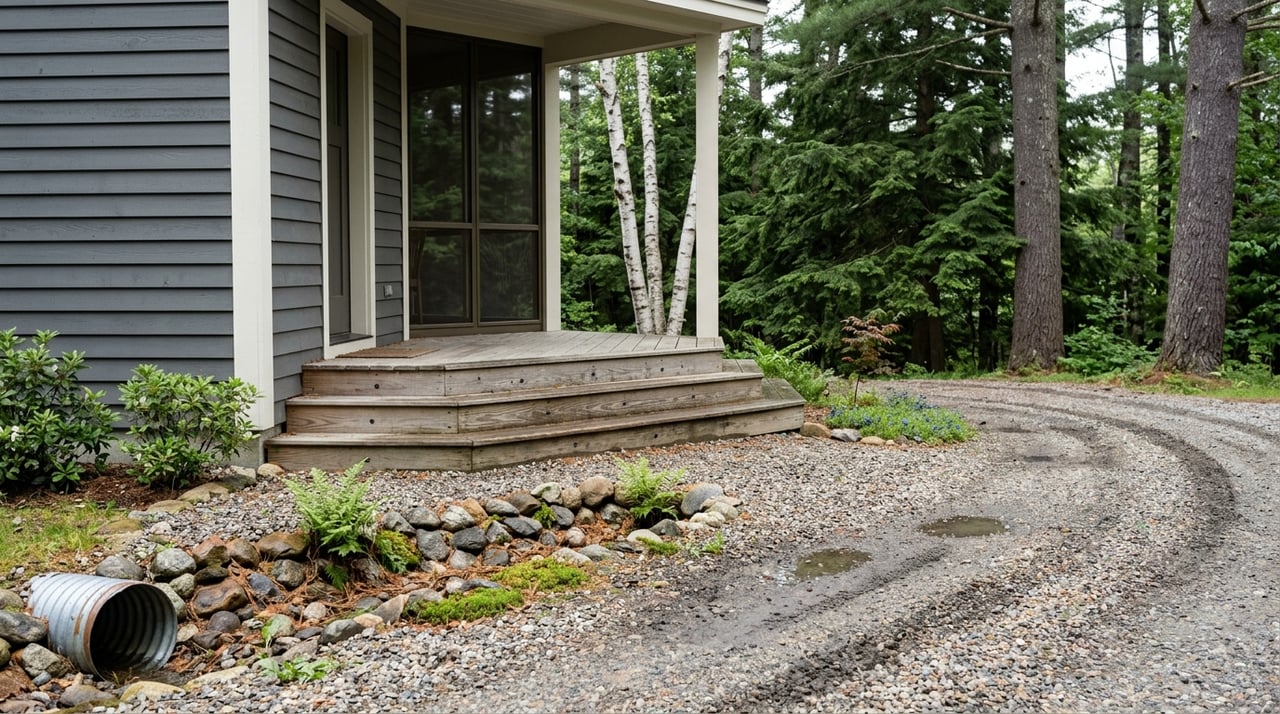
Rome’s current water-quality work highlights septic issues, camp road runoff, and driveway design. That means the condition of a driveway or camp road is not just a convenience issue. It is part of how the property functions and how it impacts nearby water.
The local ordinance says new private roads and driveways must be built so stormwater does not rush into town road ditches. Maine DEP also notes that camp roads and other unpaved roads can move sediment and phosphorus into lakes. For a buyer, that makes drainage design worth evaluating from the start, especially on sloped or waterfront parcels.
Septic and water are core issues
Rome does not have municipal water or sewer. For most land and camp lots, that means private or community wells and subsurface wastewater systems are the normal baseline.
This is one of the biggest practical differences between buying a rural Maine lot and buying a more typical in-town property. If your lot cannot support the needed water and wastewater setup, the rest of the property may not work the way you hoped.
If you are building new or changing an existing setup, Maine CDC requires a permit to install or alter a subsurface wastewater system. The site must have suitable soils and meet setback requirements. In plain terms, you want to know early whether the lot has passing soils and a workable design area for septic.
If a property already has a septic system, do not stop at “it has septic.” Ask about:
- The age of the system
- Its layout and location
- Whether records are available
- Whether it has been evaluated for your intended use
- Whether transfer-related inspection requirements apply
For properties in the shoreland zone, Maine CDC requires septic inspections at ownership transfer when there is a subsurface wastewater disposal system. That can be a very important part of your pre-closing review.
Be careful with seasonal-to-year-round plans
A lot of buyers in Rome love the idea of starting with a camp and using it more often over time. That can work, but the details matter.
If you want year-round occupancy, the septic and water setup matter just as much as the building site. Maine CDC states that when a seasonal dwelling in the shoreland zone is being converted to year-round or principal use, a seasonal conversion permit is required. Holding tanks cannot be used to satisfy that seasonal conversion permit.
Rome’s shoreland ordinance also says inhabited structures such as a house, camp, or trailer must provide sanitary water supply and sewage disposal consistent with the state plumbing code. The structure must also sit on a slab, foundation, or other support acceptable to the Code Enforcement Officer or Planning Board.
That means a camp that feels “close enough” for your future plans may still need meaningful upgrades before it truly fits year-round living.
Slope and soils can make or break a lot
A wooded lot can look private and appealing, but the ground conditions are what decide whether your plans are realistic. Rome’s minimum lot ordinance says no building is permitted on muck, peat, swamp, bog, marsh, alluvial soils, or slopes greater than 15%.
The town’s comprehensive plan also notes that slope and soil type affect drainage, erosion, roadbuilding, and septic performance. In a town where private roads, wells, and septic systems are part of the norm, those factors are not side issues. They are central.
This is one reason land buyers should look beyond map photos and tax card basics. A lot with a nice view may still need careful review of its build envelope, driveway route, and usable area.
Shoreland rules deserve early attention
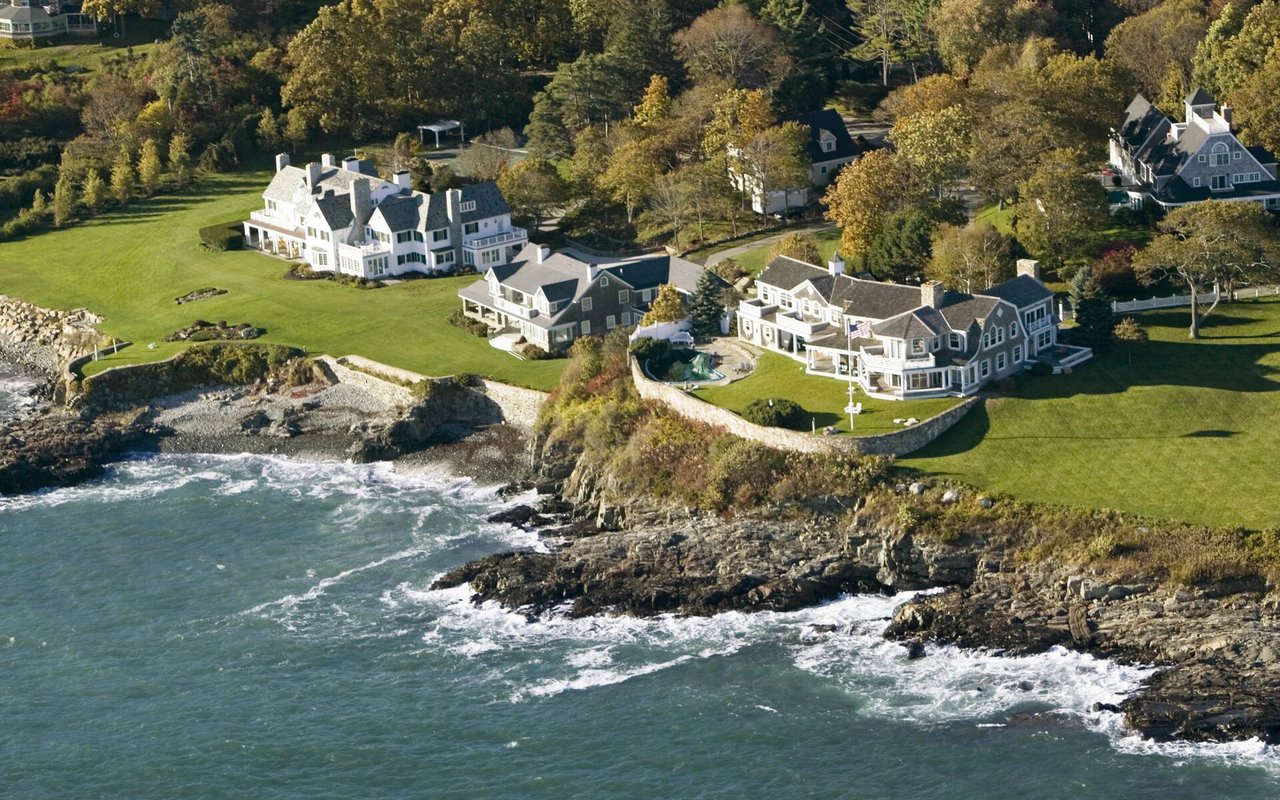
If the lot is near water, shoreland zoning becomes one of the first things to review. In Maine, shoreland zoning generally applies within 250 feet of lakes and rivers and within 75 feet of certain streams.
Rome’s ordinance generally requires new principal structures to be set back:
- 100 feet from Great Pond-class waters
- 75 feet from other water bodies, tributary streams, or wetlands
- 250 feet in the Resource Protection District
The town also restricts tilling and vegetation clearing in these buffer areas. So if your vision includes opening up a water view, adding a driveway, or doing grading near the shore, those plans should be checked carefully before you assume they are possible.
Match the lot to your recreation goals
In Rome, the surrounding landscape is part of the value. The town sits within the Belgrade Lakes watershed, and the area appeals to buyers who enjoy fishing, paddling, swimming, hiking, and general outdoor use.
Rome’s recreation pages highlight local updates tied to the town beach waterfront and a nature and activity trail. That can be useful context if you want a property that supports an outdoor lifestyle, even if the lot itself is not direct waterfront.
At the same time, if your plans depend on access beyond your property lines, be careful. Maine IFW states that access to private land is a privilege, not a right, and permission should be requested first. So if you are picturing hunting, hiking, or riding based on nearby undeveloped land, make sure that access is actually available to you.
Talk to Code Enforcement early
One of the smartest moves you can make is to contact Rome’s Code Enforcement office early in your search or before making an offer. The office handles new structure permits, septic installations, plumbing, and shoreland zoning projects, and it operates by appointment.
That early conversation can help you confirm permit steps, identify likely hurdles, and avoid buying a lot that does not line up with your intended use. In a town where parcel-specific details matter so much, early verification is often the difference between a smooth purchase and an expensive surprise.
A practical pre-offer checklist
Before you move forward on a Rome land or camp lot, try to answer these questions:
- Is the lot legally buildable under Rome’s current frontage, acreage, slope, and shoreland rules?
- If not, does it depend on older deeded status or nonconforming lot provisions?
- Is access public, private, deeded, shared, or informal?
- If the road is private, who maintains and plows it?
- If the lot connects to Route 27 or Route 225, have access permit requirements been checked?
- Does the site have suitable soils and space for septic?
- If there is an existing septic system, has it been evaluated for age, layout, compliance, and intended use?
- If the lot is in the shoreland zone, have setback and vegetation-clearing limits been reviewed?
- Does your plan depend on driveway work, grading, or tree clearing that may need added review?
- If waterfront access is part of the appeal, is it deeded frontage or are you counting on nearby public access?
The bottom line on Rome land and camp lots
The best Rome parcel is not always the one with the biggest acreage number or the prettiest photos. It is the one where legal access, septic feasibility, slope, and shoreland status all line up with how you actually want to use the property.
That is especially true in a lake-focused town where water quality, drainage, and site conditions are part of the bigger picture. If you take the time to ask the right questions early, you will be in a much better position to buy with confidence.
If you want practical help evaluating land, camps, or rural property in Central Maine, Joseph Saltalamachia offers clear, locally grounded guidance shaped by real experience with Maine land, construction realities, and outdoor-oriented property.
FAQs
What should you check before buying land in Rome, Maine?
- Start with buildability, road frontage, legal access, slope, septic feasibility, and whether shoreland zoning affects the parcel.
What are the minimum lot requirements for Rome, Maine?
- Rome’s ordinance generally requires at least 1 acre, 200 feet of road frontage on a public or private way, and 200 feet of shore frontage if the parcel includes shore frontage.
Can you convert a seasonal camp to year-round use in Rome, Maine?
- It may be possible, but you need to verify septic, water, structural support, and shoreland requirements, and a seasonal conversion permit is required for shoreland-zone dwellings being converted to year-round or principal use.
Does Rome, Maine have public water and sewer for land lots?
- No. Rome does not have municipal water or sewer, so most lots rely on private or community wells and subsurface wastewater systems.
Why does shoreland zoning matter for Rome, Maine camp lots?
- Shoreland rules can affect setbacks, vegetation clearing, grading, septic planning, and what you can build near water, so they should be reviewed early.
Who should you contact about permits for a Rome, Maine lot?
- Rome’s Code Enforcement office is the key local contact for new structures, plumbing, septic work, and shoreland zoning projects, and the office works by appointment.