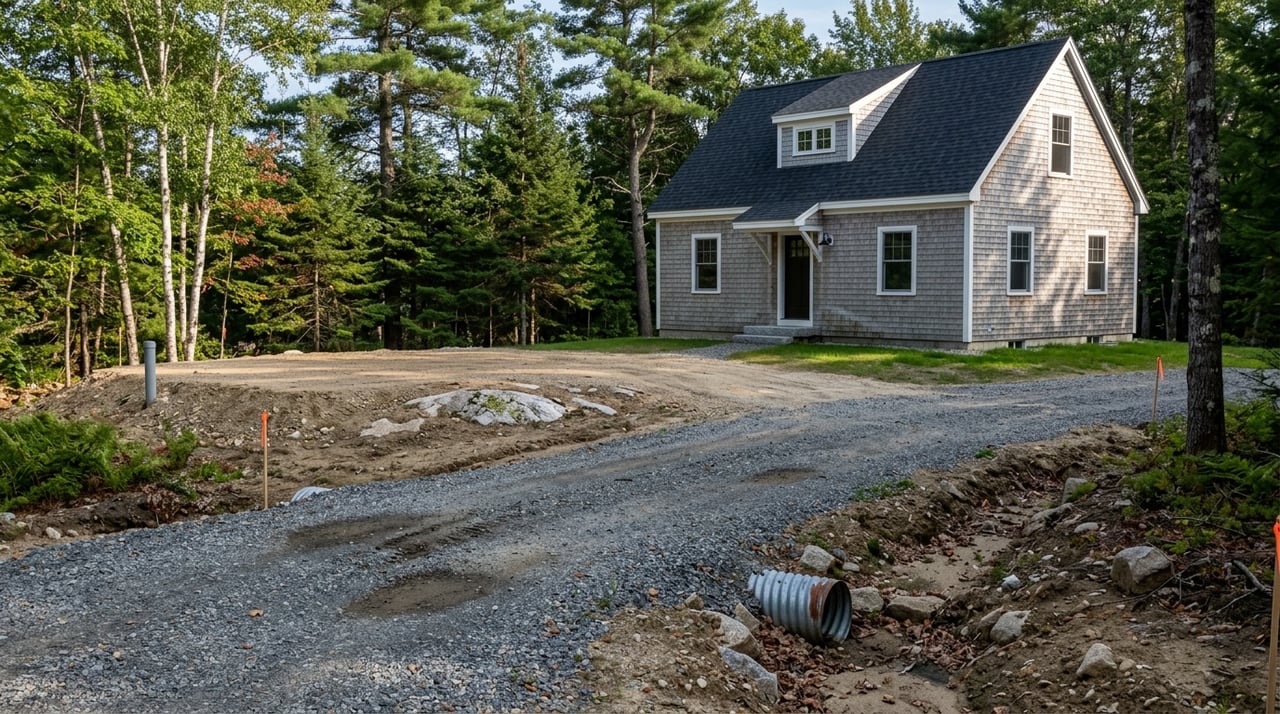
Buying land in Unity can feel simple at first. You see a beautiful stretch of Maine ground, imagine a home, camp, or getaway, and start picturing what life could look like there. But in a town like Unity, the right land decision usually comes down to what the parcel can actually support, not just how it looks from the road. If you want to buy with confidence, it helps to know how to evaluate access, soils, utilities, and local rules before you make an offer. Let’s dive in.
Start With Your Intended Use
The first question is not how many acres the parcel has. It is what you want to do with it.
A seasonal camp, year-round home, hunting land, hobby farm, or future subdivision can each trigger different practical and regulatory questions. Unity’s land use framework and shoreland rules make that especially important because the same parcel may fit one use well and be a poor match for another.
Before you go too far, get specific about your goal. If your plan is vague, it becomes much harder to judge whether the land truly works for you.
Check Legal Access First
In rural Maine, access can make or break a land purchase. A parcel may look easy to reach, but you still need to know whether it has legal access and whether a driveway or road can meet town standards.
Unity’s land use ordinance says access should be designed for safety and to reduce traffic impacts. The ordinance also includes standards for new driveways or roads connecting to a public street, including minimum sight distance and a maximum 3% grade for the first 25 feet near the intersection.
That means your review should go beyond asking whether a vehicle can get in today. You should also ask:
- Is there recorded legal access?
- Does the parcel have enough frontage?
- Can a driveway be built where it needs to go?
- Will a private road need upgrades or maintenance agreements?
- Will a driveway permit, road construction permit, or other local review be required?
Unity’s official documents include separate forms for driveway permits, road construction permits, and minimum street requirements. That is a good reminder that access is not just a convenience issue. It is part of whether the land is truly usable.
Look Closely at Topography and Drainage
A parcel can have plenty of acreage and still offer a surprisingly small buildable area. In Unity, topography, drainage, wetlands, streams, floodplains, and other natural features all matter during site review.
The town’s development review standards require attention to features like soils, ponds, wetlands, groundwater aquifers, easements, utilities, and prior agricultural use. Proposed topography and stormwater and erosion control planning may also come into play.
For you as a buyer, the practical question is simple: where can you realistically place a house, camp, driveway, septic system, and well? Steep slopes, wet ground, ledge, or poorly drained areas can limit your options fast.
When walking land in Unity, pay attention to:
- Low or soggy areas
- Steep grades
- Signs of standing water
- Rock outcrops or ledge
- Streams, ponds, or wetland edges
- Old field or former farm conditions that may affect layout
This does not mean the parcel is a bad buy. It just means the usable part of the land may be smaller than the deeded acreage suggests.
Evaluate Soils Early
If you are thinking about building, soils deserve early attention. In much of rural Maine, septic feasibility is one of the biggest factors in whether land works.
Maine’s Subsurface Wastewater Unit says a site evaluation is needed any time sewage or wastewater will be placed underground where there was none before. The state also says a new system cannot be installed on a site that fails minimum soil or setback criteria without a variance.
A smart first screening step is the USDA NRCS Web Soil Survey, which provides official online soil data and suitability information. It is not a replacement for site-specific evaluation, but it can help you spot potential concerns before spending money on deeper due diligence.
Confirm Septic Feasibility
In Unity, parcel size alone does not guarantee buildability. The town ordinance states that a proposed lot still must be shown as capable of adequate subsurface wastewater treatment.
That is why septic review should happen early, not after you are emotionally committed to the property. If your intended building area cannot support a septic system, the parcel may not fit your plans.
If the property already has a camp or home, ask whether the town has a septic file. Maine guidance says towns typically keep HHE-200 septic design and permit records, and available records usually begin with systems installed after July 1974. If the town does not have the file, the state database may still help, though it may not include every design.
Good questions to ask include:
- Is there an existing HHE-200 record?
- Was the system designed for seasonal or year-round use?
- Has anything been expanded since the original design?
- Is there a suitable area for replacement if needed?
Check Well and Water Supply Feasibility
Water matters just as much as wastewater. If the parcel will rely on a private well, you want to know whether there is a realistic and compliant location for it.
Maine’s Drinking Water Program says a new well must be approved before drilling. State rules also establish at least a 300-foot setback from potential contamination sources such as fuel tanks and leach fields, and the program recommends at least 100 feet between a private well and a private septic system.
On a tight or oddly shaped parcel, those separations can affect where you can place everything. This is another reason a lot that looks fine on paper may not work in practice.
Understand District and Lot Standards
Unity’s ordinance includes different minimum lot standards depending on district. In the downtown district, new lots served by sewer can be 10,000 square feet, while other new downtown lots are 20,000 square feet. In the rural district, new lots generally must be at least 20,000 square feet, with an average lot size rule of 120,000 square feet.
Those numbers matter, but they are only part of the picture. A parcel may meet lot size rules and still face limitations tied to septic feasibility, access, or undevelopable land.
Unity’s ordinance also says deed language must identify land area that is undevelopable because it is being used to satisfy average lot size requirements, and a building permit cannot be issued until that documentation is filed. If you are buying with future split potential in mind, this deserves close review.
Watch for Shoreland Limits
Unity is known in part for Unity Pond, also called Lake Winnecook, and for the natural appeal of its water-adjacent areas. That makes shoreland review especially important.
The town’s shoreland map shows multiple districts, mapped wetlands, and buffers including a 250-foot river buffer and a 75-foot stream buffer. Maine’s Shoreland Zoning Act requires municipalities to regulate land use in these areas, and Unity’s posted shoreland ordinance says uses like structures, shoreline work, earthmoving, and individual campsites or campgrounds may require a permit or face restrictions depending on the district.
If you are looking at land near water, a stream, or a wetland edge, do not assume your dream layout will be allowed. A parcel that seems perfect for a camp or outdoor base may come with meaningful limits on where and how you can build or clear.
Check Floodplain Issues Early
Low-lying land can be attractive for views or proximity to water, but it may also come with constraints. Unity’s documents page includes a Floodplain Management Ordinance and a Flood Hazard Development Permit application.
That is a signal to check flood-prone areas early in your review. If part of the parcel falls in a flood hazard area, it could affect building location, permitting, costs, and long-term use.
Review Easements and Deed Restrictions
Not every limitation is visible on the ground. Easements, restrictive deed language, and prior lot-creation conditions can all affect what you can do with the land.
Unity’s development review standards specifically call for easements and related constraints to be identified. That means buyers should review the deed, tax map, survey if available, and any recorded documents carefully before moving forward.
This is especially important if you are buying for privacy, future building, or possible subdivision. The parcel may have areas that are technically part of the acreage but not fully usable for development.
Gather the Right Documents
The best land decisions usually come from good paperwork and clear questions. In Unity, some of the most useful starting documents are:
- The deed
- The tax map
- A survey, if one exists
- The land use plan map
- The shoreland map
- Any septic file or HHE-200 record
- Driveway, road, sewer, or flood-related permit information if applicable
Unity’s official documents page is a strong starting point because it brings many of these rules and forms together in one place. When you review a parcel in this order, things tend to get clearer: access first, then physical feasibility, then septic and well feasibility, then ordinance fit.
A Practical Way To Evaluate Land
If you want a simple framework, walk through the parcel in this order:
- Use: What exactly do you want to do there?
- Access: Is there legal and buildable access?
- Land: Where are the dry, usable, buildable areas?
- Soils and septic: Can the site support wastewater treatment?
- Water: Is there room for a compliant well location?
- Rules: Is the parcel in the right district, shoreland zone, or flood area?
- Documents: Are there easements, deed limits, or missing records?
That process helps you separate a beautiful parcel from a practical one. In a place like Unity, that difference matters.
When you are evaluating rural land, it helps to have someone in your corner who understands not just the listing sheet, but the real-world questions behind it. If you want grounded guidance on land, camps, rural homes, or outdoor property in Central Maine, reach out to Joseph Saltalamachia.
FAQs
What should I evaluate first when buying land in Unity?
- Start with your intended use and legal access, then move to topography, septic feasibility, well placement, and local ordinance review.
Does parcel size alone determine whether land is buildable in Unity?
- No. Unity’s ordinance says a lot still must be capable of adequate subsurface wastewater treatment, so acreage alone is not enough.
Why is septic feasibility so important for Unity land?
- Many rural parcels depend on private wastewater systems, and Maine requires site evaluation for new underground wastewater placement.
How do shoreland rules affect land near Unity Pond or streams?
- Land near ponds, streams, wetlands, or mapped buffers may face added restrictions or permit requirements for structures, clearing, earthmoving, or campsites.
What documents should I request before making an offer on Unity land?
- Ask for the deed, tax map, survey if available, shoreland and land use mapping, and any septic or HHE-200 records tied to the parcel.