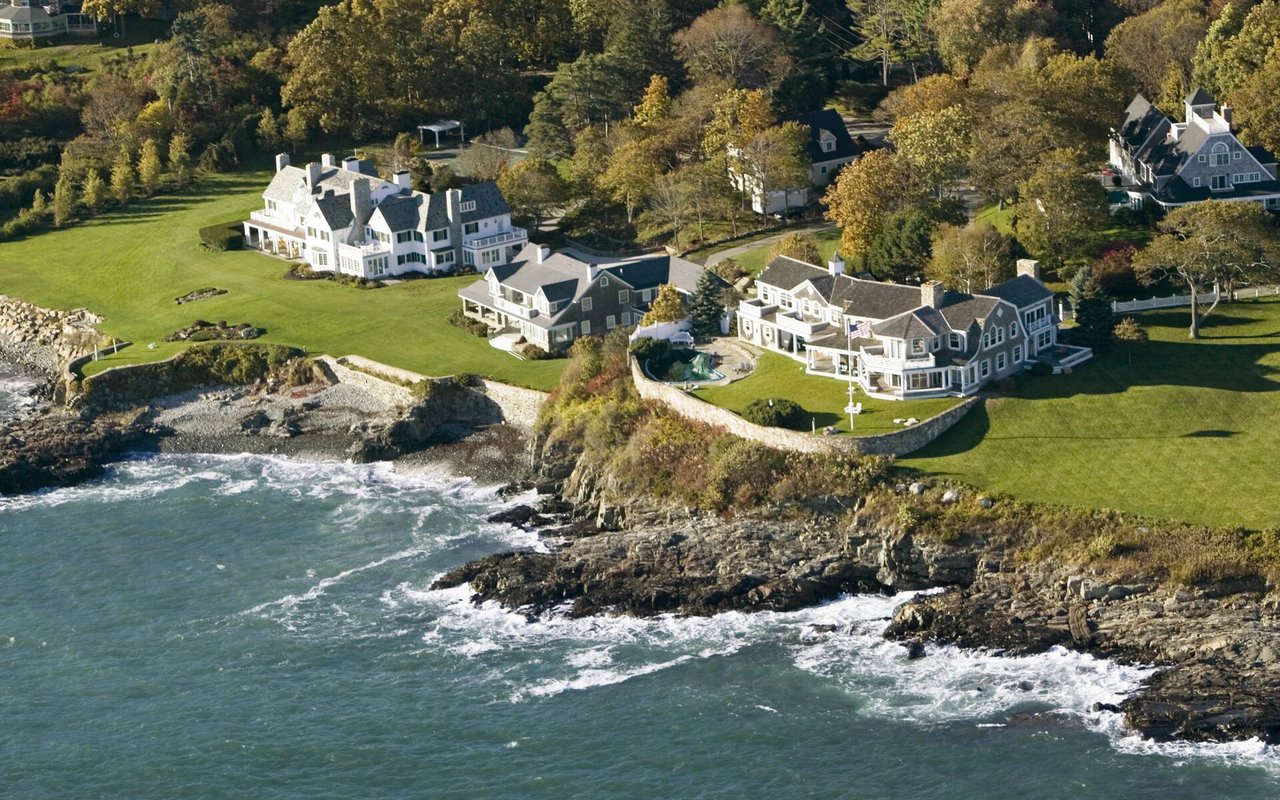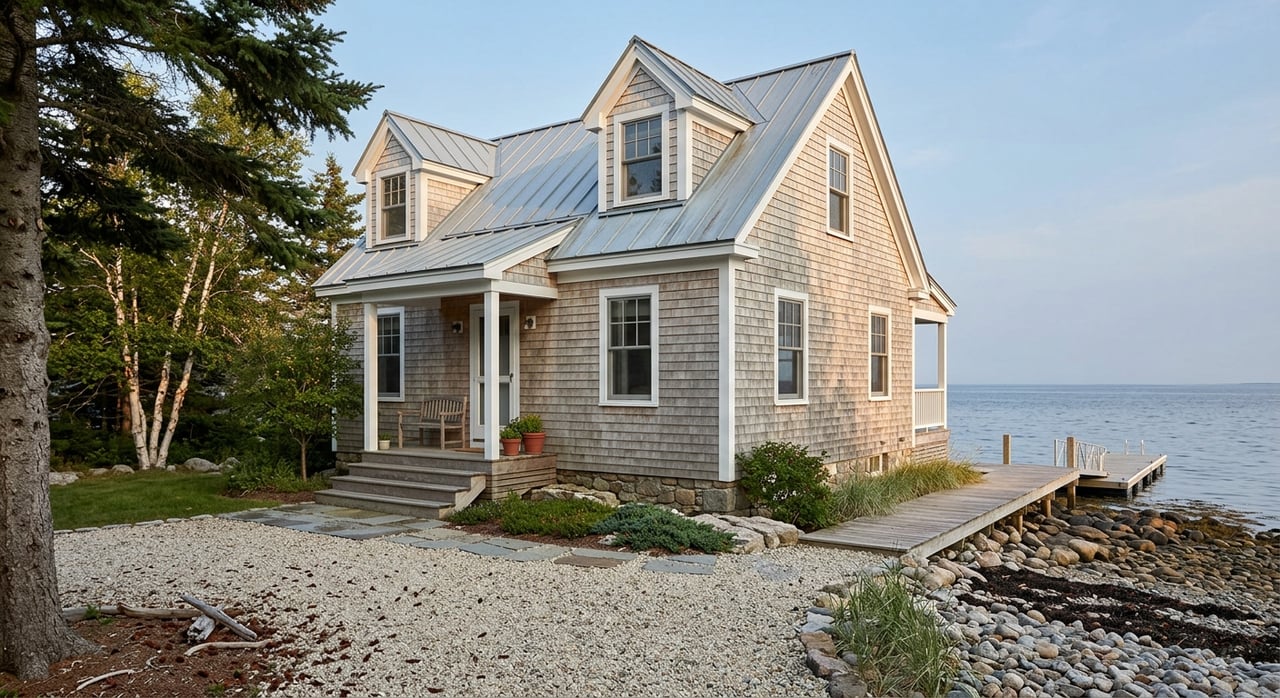
If your idea of coastal Maine is less about crowds and polished resort streets and more about quiet shoreline, working harbor views, and everyday access to the water, Stockton Springs deserves a closer look. Buying in a small coastal town can feel exciting, but it also comes with real questions about access, lifestyle, and what daily life actually looks like. In this guide, you’ll get a practical look at what makes Stockton Springs different, what kind of coastal experience you can expect, and why that matters if you are thinking about a move. Let’s dive in.
Why Stockton Springs Feels Different
Stockton Springs is a small coastal town in Waldo County with about 1,600 residents. It sits between Belfast and Bucksport on Coastal U.S. 1, just south of the Penobscot Narrows Bridge. That location gives you a Midcoast setting without the feel of a larger destination town.
What stands out here is the scale. Stockton Springs is not built around heavy tourism or nonstop waterfront activity. Its public spaces and harbor create a maritime feel, but the town’s overall character is quieter, more practical, and more tied to natural surroundings.
Coastal Living Here Is Low-Key
In some Maine towns, coastal living means restaurants on the water, busy marinas, and a more developed visitor scene. In Stockton Springs, the experience is more understated. The shoreline identity comes from places like Stockton Harbor, Fort Point State Park, and Sandy Point Beach Park.
That matters if you are trying to match a town to your lifestyle. If you want a coastal setting that feels calm and grounded, Stockton Springs may be a strong fit. If you are looking for a more built-up or entertainment-focused waterfront, this town may feel quieter than expected.
Stockton Harbor and Daily Waterfront Use
Stockton Harbor helps define the town, but it is important to understand what kind of harbor it is. This is not a polished resort marina. It has a working-waterfront feel, and public access is centered around the town-maintained Cape Docks Boat Ramp.
According to Maine Department of Marine Resources materials, the harbor includes 40 floating docks, more than 120 moorings, and an all-tide public boat ramp. It is used by recreational boaters, commercial fishers, and emergency responders. That mix gives the harbor a practical, active identity rather than a purely recreational one.
For buyers, that working character can be part of the appeal. You get a harbor that supports real use and a real connection to the water. At the same time, it helps to know that the waterfront here is shaped by shared access, town infrastructure, and harbor activity, not just private views and private docks.
What Tidal Access Means
In coastal Maine, not every waterfront assumption holds up the way buyers expect. Maine’s submerged lands rules mean tidal lands below mean low water are held in public trust for fishing, fowling, and navigation, even when structures above them are privately owned.
That does not mean every shoreline property feels public. It does mean coastal use, access, and ownership can be more nuanced than they first appear. If you are considering waterfront or water-access property in Stockton Springs, details matter.
Fort Point State Park Shapes the Coastal Experience
Fort Point State Park is one of Stockton Springs’ most visible shoreline assets. The park sits on a 120-acre peninsula about three miles off U.S. Route 1 and offers broad views of the Penobscot River and Penobscot Bay. It includes more than a mile of rocky shore, a tidal sandbar, Fort Pownall State Historic Site, and Fort Point Light Station.
This is the kind of place that helps define daily life in town. You can enjoy waterfront picnic areas, a pier and floats for fishing and boating, and a scenic bicycling loop. In winter, the trails and closed roads are also used for cross-country skiing.
For many buyers, that kind of public shoreline access adds real value to living here. You may not need a private waterfront lot to enjoy time on the coast. Having a well-loved public coastal space nearby can shape your lifestyle in a meaningful way.
Outdoor Activities at Fort Point
Fort Point supports a wide range of outdoor use without feeling overbuilt. Public materials note fishing, paddling, sightseeing, and biking as common activities. Anglers may look for salmon, mackerel, and striped bass, while wildlife watchers may spot seals, porpoises, osprey, bald eagles, and shore birds.
That tells you something important about Stockton Springs. Coastal living here is less about showy amenities and more about access to the outdoors. If your ideal day includes a shoreline walk, time on the water, or simply watching the tides and wildlife, this town offers that kind of rhythm.
Sandy Point Beach Park Offers a Quieter Shoreline
Sandy Point Beach Park adds another layer to Stockton Springs’ coastal character. It is a state property managed by the town and is open for day use only. The town brochure notes that there are no lifeguards, visitors follow carry-in and carry-out rules, and trails are reserved for pedestrians and wheelchairs.
The overall tone is simple and natural. The area is presented as a place for swimming, picnicking, hiking, wildlife viewing, and stillness rather than major development. For buyers who want a more peaceful shoreline setting, that can be a real plus.
This is also a good example of what coastal living means in Stockton Springs. It is not flashy. It is the kind of place where the draw is the setting itself.
What the Seasonal Rhythm Feels Like
Living near the coast in Stockton Springs means the tides, weather, and access points shape your routine. That can be part of the appeal. The town’s public coastal spaces support outdoor use across the seasons, from warm-weather boating and beach walks to winter trail use at Fort Point.
The pace here tends to be tied more to nature than to visitor traffic. Official materials describe the area in terms of natural beauty, wildlife, and stillness. That creates a different experience from busier coastal communities where activity is more commercial and constant.
Nearby Amenities Without Constant Crowds
A quieter town does not have to mean total isolation. The Fort Point State Park brochure notes that within about an hour’s drive, you can reach restaurants, art galleries, a museum, a theater, a farmer’s market, bicycle and kayak rentals, and craft, antique, and gift shops.
That balance is part of Stockton Springs’ appeal. You can use the town as a calmer home base while still reaching a wider range of regional services and activities when you want them. For many buyers, that is a sweet spot.
What Buyers May Find in Stockton Springs
Because Stockton Springs is small, and because major shoreline areas are in public ownership or tied to harbor use, the housing pattern tends to feel more mixed and smaller scale than in busier resort towns. Buyers are likely to come across year-round single-family homes, older village and coastal homes, seasonal cottages or camp-style properties, and occasional land or acreage opportunities.
Waterfront inventory may be limited and highly location-sensitive. In a town like this, not all coastal properties offer the same kind of access or use. Some buyers are drawn to direct waterfront, while others may find that being close to harbor access, parks, or shoreline views gives them the lifestyle they want.
Questions Worth Asking as a Buyer
If you are exploring property in Stockton Springs, it helps to look past the headline of “coastal living” and ask practical questions like:
- How close is the property to public shoreline access?
- Is the setting tied more to harbor use, park access, or residential coastline?
- What kind of outdoor lifestyle do you want day to day?
- Are you hoping for year-round living, seasonal use, or land for future plans?
- How important is privacy versus convenience to U.S. Route 1 and nearby towns?
Those questions can help you focus on fit, not just scenery.
Why Lifestyle Fit Matters Most
The best coastal town for you is not always the busiest or the most polished one. Sometimes it is the place that matches how you actually want to live. Stockton Springs offers a version of coastal Maine that feels quiet, practical, and deeply connected to the outdoors.
If that sounds like your kind of place, the next step is looking carefully at what each property truly offers. In a market where access, land use, shoreline character, and location details all matter, local guidance can make a big difference.
If you are thinking about buying or selling in Midcoast or Central Maine and want a clear, honest take on lifestyle-driven property decisions, Joseph Saltalamachia is a great place to start.
FAQs
What is coastal living like in Stockton Springs, Maine?
- Coastal living in Stockton Springs is quiet, low-key, and centered on natural shoreline access, a working harbor, and public spaces like Fort Point State Park and Sandy Point Beach Park.
Does Stockton Springs have public water access?
- Yes. Public access includes the Cape Docks Boat Ramp at Stockton Harbor, waterfront features at Fort Point State Park, and day-use shoreline access at Sandy Point Beach Park.
Is Stockton Springs a busy resort town?
- No. Stockton Springs has a smaller population and a more practical, less commercial coastal feel than busier resort-oriented towns.
What outdoor activities can you enjoy in Stockton Springs?
- Common activities include boating, fishing, paddling, biking, sightseeing, swimming, hiking, birding, wildlife watching, and seasonal cross-country skiing at Fort Point.
What types of homes might buyers find in Stockton Springs?
- Buyers may find year-round single-family homes, older village or coastal homes, seasonal cottages, camp-style properties, and occasional land or acreage parcels.
Why is Stockton Springs appealing to coastal buyers?
- It appeals to buyers who want a quieter Maine coastal setting with harbor access, public shoreline spaces, and a lifestyle shaped more by nature and daily use than by crowds or resort development.